
logo placement guide
Logo Placement Guide: A Comprehensive Overview (Updated 12/19/2025)
Strategic logo placement is crucial for brand recognition and recall, impacting everything from websites to product packaging and apparel, demanding careful consideration.
Experimentation with unconventional placements can differentiate a brand, while adhering to best practices—like top-left corner website positioning—maximizes visibility and impact.
Avoiding distortion, ensuring sufficient contrast, and maintaining appropriate logo size are vital to prevent undermining brand identity and overall effectiveness.
Effective logo placement transcends mere aesthetics; it’s a foundational element of brand strategy, directly influencing consumer perception and recall. A thoughtfully positioned logo amplifies brand recognition, fostering trust and solidifying identity within a competitive landscape. This guide delves into the nuances of optimal logo placement across diverse mediums – websites, packaging, apparel, and advertising – providing actionable insights for maximizing impact.
The core principle revolves around visibility and context. While the top-left corner of websites is often cited as a best practice due to established user scanning patterns, flexibility is key. Consider the overall design and ensure the logo integrates seamlessly without being overshadowed.
Furthermore, maintaining consistency across all platforms is paramount. Adhering to established brand guidelines regarding size, spacing, and color alterations prevents dilution of brand identity. Strategic testing, as employed by top media buying agencies, allows for data-driven optimization of logo placement for peak performance.
The Psychology of Logo Placement & Brand Recognition
Logo placement isn’t arbitrary; it taps into fundamental principles of visual perception and cognitive psychology. The human eye naturally gravitates towards the top-left corner, making it a prime location for establishing initial brand recognition – a concept supported by UX best practices. This “first glance” advantage builds familiarity and association.
However, strategic deviation can also be powerful. Unconventional placements, while risky, can disrupt expectations and create memorable impressions, fostering brand differentiation. The key lies in understanding your target audience and brand personality.
Repeated exposure to a consistently placed logo strengthens neural pathways, solidifying brand recall. Conversely, inconsistent or obscured placement weakens these connections. Maintaining visibility against backgrounds and avoiding distortion are crucial for maximizing the psychological impact and ensuring lasting brand recognition.
Website Logo Placement Best Practices
Website logo placement demands a user-centric approach. The universally recommended practice is the top-left corner, leveraging the F-shaped reading pattern most users employ while browsing. This ensures immediate visibility and reinforces brand identity upon initial page load.
Header integration requires careful consideration of size and spacing. The logo should be prominent but not overwhelming, harmonizing with navigation elements. Maintaining consistent margins and avoiding alterations – no shadowing, tilting, or overlays – are paramount.
While the footer can reinforce branding, it shouldn’t be the primary logo location. Click-through rates benefit from a clearly visible logo in the header, guiding users back to the homepage. Responsive design is vital; ensure the logo adapts seamlessly across all devices.
Top-Left Corner: The Dominant Position
The top-left corner reigns supreme for website logo placement, rooted in established UX best practices and user behavior. This position capitalizes on the F-shaped reading pattern, where users naturally begin their scan of a webpage. Immediate recognition is achieved, solidifying brand recall from the outset.
This placement isn’t merely tradition; it’s a strategic advantage. It provides a consistent navigational anchor, allowing users to quickly return to the homepage with a simple click. Visibility is maximized, ensuring the logo isn’t overlooked amidst content.
However, dominance requires balance. The logo’s size and surrounding whitespace must complement, not compete with, other header elements. Maintaining a clean, uncluttered aesthetic is crucial for a positive user experience.
Header Logo Integration: Size and Spacing
Optimal logo size within a website header is paramount, demanding a delicate balance between visibility and aesthetic harmony. An overly large logo can overwhelm the design, while a diminutive one risks being overlooked. Responsive design principles dictate adapting the logo’s size across various devices.

Spacing, or margin placement, is equally critical. Sufficient whitespace around the logo prevents it from feeling cramped or colliding with other header elements like navigation menus or search bars. This breathing room enhances readability and visual appeal.
Avoid alterations like shadowing, tilting, or overlays, ensuring clear visibility against any background. Maintaining consistent sizing and spacing across all pages reinforces brand identity and creates a polished, professional user experience. Prioritize clarity and legibility above all else.
Footer Logo Usage: Reinforcing Brand Identity
Footer logo placement serves as a subtle yet effective reinforcement of brand identity, acting as a final visual touchpoint for website visitors. While typically smaller than the header logo, it should remain clearly recognizable and consistent with the overall branding.
The footer provides an opportunity to reiterate brand presence without competing with primary content. Strategic placement, often alongside copyright information or contact details, subtly anchors the brand in the user’s mind.

Maintain appropriate spacing around the footer logo to prevent it from appearing cluttered. Avoid altering the logo’s colors or proportions. The goal is consistent brand recognition, not a dramatic visual statement. A well-placed footer logo contributes to a polished and professional website experience.
Logo Placement on Product Packaging
Logo placement on product packaging is paramount for attracting consumer attention and establishing brand recognition on the shelf. It’s a critical element of the overall packaging design, demanding careful consideration of visibility and impact.
Strategic placement aims to create immediate brand association. While best practices exist, reflecting brand uniqueness is essential; experimentation with unconventional placements can differentiate products. Consider the shelf impact – how the logo appears amongst competitors.
Packaging material and color significantly influence logo visibility. Ensure sufficient contrast to prevent the logo from being lost against the background. A thoughtfully placed logo not only identifies the product but also communicates brand values and quality.
Strategic Placement for Shelf Impact
Strategic logo placement directly influences a product’s ability to stand out on a crowded retail shelf. It’s about maximizing visibility and capturing the consumer’s eye within seconds. Consider the typical shopping environment and how consumers scan products.
Placement should prioritize immediate recognition; a prominent position often yields the best results. However, unconventional placements can also be effective, creating a memorable visual disruption. Analyze competitor packaging to identify opportunities for differentiation.
Effective placement isn’t solely about location; it’s about integration with the overall design. The logo should complement, not clash with, other elements, reinforcing brand messaging and creating a cohesive visual identity that drives purchase decisions.
Considering Packaging Material & Color
Packaging material and color profoundly impact logo visibility and brand perception. The chosen substrate—whether matte, glossy, or textured—affects how colors appear and how light interacts with the logo. Ensure sufficient contrast between the logo and the background color to prevent it from being lost or appearing washed out.
Avoid color alterations that deviate from brand guidelines, as this can dilute brand recognition. Consider how the packaging color complements the logo’s colors, creating a harmonious and visually appealing aesthetic. Transparency and metallic finishes require careful logo color selection for optimal impact.
Testing logo placement on various material samples is crucial to guarantee legibility and maintain brand consistency across all packaging variations. Prioritize visibility against backgrounds to maximize shelf appeal.
Unconventional Placement for Brand Differentiation
Breaking from traditional logo placement can significantly enhance brand recall and create a memorable impression. While standard positions offer familiarity, strategic deviations can signal innovation and uniqueness. Consider integrating the logo subtly into the packaging design, using patterns or textures to reveal it unexpectedly.

Experiment with asymmetrical layouts or placing the logo on an unexpected panel of the packaging. However, ensure that unconventional placement doesn’t compromise legibility or brand recognition. The goal is to be distinctive, not confusing.
Reflect the brand’s personality through placement; a playful brand might benefit from a whimsical location, while a luxury brand could opt for understated elegance. Always test unconventional placements to ensure they resonate with the target audience and maintain brand integrity.

Logo Placement on Apparel (Shirts, Hats, etc.)
Strategic logo placement on apparel significantly impacts brand visibility and perceived value. Center chest placement maximizes attention, making it ideal for bold statements and primary branding. However, consider the garment’s style and target audience; this placement commands attention.

Left chest placement offers a classic, professional look, suitable for corporate wear or subtle branding. Sleeve and back placements provide more subtle branding opportunities, ideal for layering or creating a secondary brand presence.
Measurements are crucial for proportional aesthetics. Ensure the logo size complements the garment and doesn’t appear distorted. Practicality matters; placement should remain visible even when the garment is worn with layers, like jackets or vests, ensuring consistent brand exposure.
Center Chest Placement: Maximizing Visibility
Center chest placement is a powerful technique for maximizing logo visibility on apparel, immediately drawing the eye and establishing a strong brand presence. This position is particularly effective when the goal is to command attention and make a bold statement. It’s a prime location for showcasing the logo prominently, ensuring it’s the focal point of the garment.
However, careful consideration of logo size and design is essential. A larger logo works well here, but it must remain proportional to the garment’s size and style. This placement is ideal for brands aiming for high impact and immediate recognition, creating a lasting impression on viewers.
It’s also a practical choice, as the logo remains visible even with layering, making it suitable for various climates and fashion preferences. Strategic use of color and design further enhances visibility and brand recall.
Left Chest Placement: Classic & Professional
Left chest placement offers a timeless and professional aesthetic for logo application on apparel, conveying a sense of established credibility and refined taste. This position is particularly favored in corporate settings and industries where a conservative image is paramount. It’s a subtle yet effective way to showcase brand identity without being overly ostentatious.
The size of the logo should be proportionate to the chest area, typically smaller than center chest placements, maintaining a balanced and understated look. This placement works exceptionally well for embroidered logos, adding a touch of sophistication and quality.
It’s also a practical choice, allowing for layering with jackets or vests without obscuring the logo. Consistent application of this placement across various garments reinforces brand recognition and builds a cohesive professional image.
Sleeve & Back Placement: Subtle Branding
Sleeve and back placement represent a more understated approach to logo application, ideal for brands aiming for subtle yet consistent visibility. This strategy avoids aggressive branding, appealing to consumers who prefer a less conspicuous display of logos. Sleeve logos, often smaller in size, offer a unique touch of brand recognition during movement.
Back placements, particularly upper back areas, provide a larger canvas for logo display without being immediately visible at first glance. This can create a sense of discovery and reward loyal customers with a discreet brand identifier.
These placements are excellent for complementing more prominent logo locations, like the chest, creating a layered branding effect. Strategic use of color and logo size is crucial to ensure legibility and avoid a cluttered appearance.
Logo Placement in Advertising Materials
Effective logo placement within advertising—both print and digital—is paramount for brand recall and campaign success. In print ads, a careful balance between the logo and the core message is essential; avoid overshadowing the content with an overly dominant logo. Strategic positioning, often in a corner or integrated into the design, maintains visibility without distraction.
Digital ads require a different approach, optimizing for click-through rates. Logo placement should be noticeable yet not intrusive, considering user eye-tracking patterns. A/B testing different placements—top-left, top-right, or within the creative—can reveal optimal configurations.
Media buying agencies emphasize testing logo placement alongside other key elements to maximize ad performance. Consistency across all advertising channels reinforces brand identity and builds recognition.

Print Ads: Balancing Logo with Content
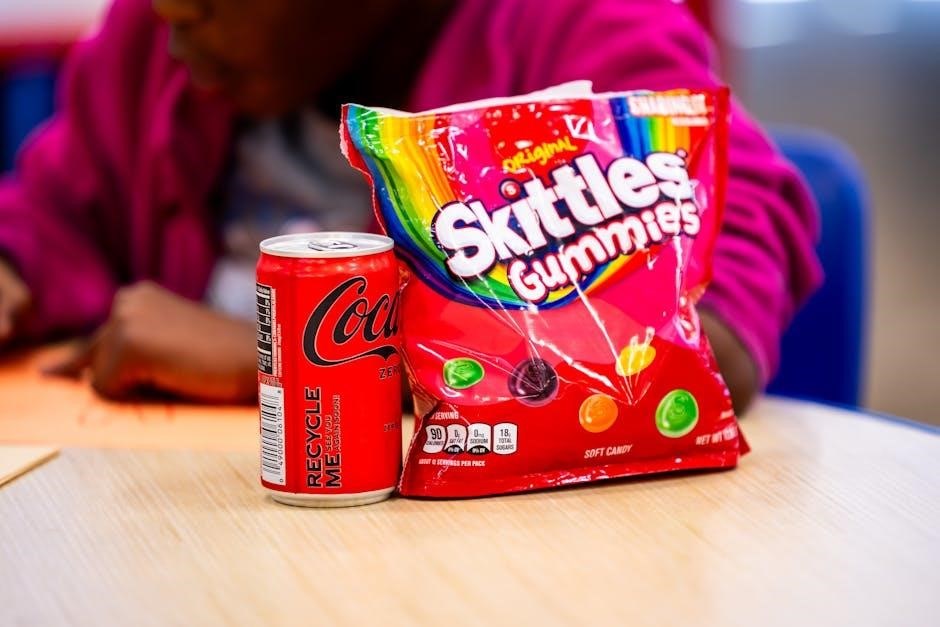
Strategic logo integration within print advertisements demands a delicate balance between brand visibility and content clarity. The logo shouldn’t overshadow the core message or key visuals; instead, it should complement them. Often, placement in a corner – upper left being a common best practice – provides visibility without being intrusive.
Consider the ad’s overall design and layout. A well-placed logo enhances the aesthetic, while a poorly positioned one can create visual clutter. Avoid distortion or alteration of the logo; maintain its original proportions and colors for consistent brand representation.
Ensure sufficient contrast between the logo and the background to guarantee readability. The goal is to subtly reinforce brand identity, not to aggressively dominate the advertisement.
Digital Ads: Optimizing for Click-Through Rates
Logo placement in digital ads significantly impacts click-through rates (CTR). Unlike print, digital ads benefit from testing various positions to determine optimal performance; While the top-left corner remains a strong contender, A/B testing different locations—upper right, or even subtly integrated within the creative—is crucial.
Maintain logo visibility, but avoid obstructing key elements like calls-to-action. Ensure the logo is appropriately sized for different screen resolutions and ad formats. A cluttered ad diminishes effectiveness; simplicity is key.
Consider user eye-tracking patterns; people typically scan digital content in an “F” or “Z” shape. Position the logo within these natural viewing paths to maximize recall and encourage engagement. Strategic testing alongside other ad elements is paramount.
Common Logo Placement Mistakes to Avoid
Several pitfalls can undermine even the strongest logo design through improper placement. Distorting or altering the logo – stretching, skewing, or changing colors – immediately diminishes brand recognition and professionalism. Maintaining brand consistency is paramount.
Poor contrast against backgrounds renders the logo nearly invisible, defeating its purpose. Always ensure sufficient visual separation. Similarly, overly small or hidden logo placement fails to capture attention and reduces brand recall.
Avoid shadowing, tilting, or overlays that can appear unprofessional and detract from the logo’s clarity. Strategic visibility is key; the logo should be noticeable without being intrusive. Prioritize adherence to established brand guidelines to prevent these common errors.
Distorting or Altering the Logo
Maintaining logo integrity is non-negotiable; any distortion or alteration severely compromises brand recognition. Stretching, skewing, or compressing the logo, even subtly, disrupts its intended visual impact and weakens brand consistency. Color alterations, beyond approved variations, are equally detrimental.
Avoid tilting or rotating the logo unless explicitly permitted within brand guidelines. These manipulations can appear unprofessional and diminish the logo’s established form. No shadowing or overlays should be applied without careful consideration, as they can obscure details.
Ensure visibility against all backgrounds by adhering to specified clear space requirements. Any deviation from the original design undermines the brand’s visual identity and dilutes its impact on consumers. Preserve the logo’s original proportions and form at all times.
Poor Contrast Against Backgrounds
Insufficient contrast between a logo and its background is a critical error, rendering the logo nearly invisible and negating its branding efforts. A logo must stand out, not blend in. This applies across all mediums – websites, packaging, apparel, and advertising materials.
Always prioritize visibility. Light logos require dark backgrounds, and vice versa. Avoid placing a light-colored logo on a light background, or a dark logo on a dark background. Ensure adequate clear space around the logo to further enhance its separation from surrounding elements.
Carefully consider background images and patterns; complex backgrounds can diminish logo clarity. When in doubt, simplify the background or utilize a solid color that provides optimal contrast. Testing logo placement on various backgrounds is crucial before finalization.
Overly Small or Hidden Logo Placement
Reducing a logo to an insignificant size or concealing it within a cluttered design severely diminishes its impact and brand recognition. A logo’s purpose is to be seen and associated with your brand, and subtlety can easily become invisibility.
Maintain proportional scaling; shrinking a logo too much compromises its detail and legibility. Avoid placing the logo in areas obscured by other elements, such as corners or behind text. Strategic placement is key – ensure it’s prominently displayed, not tucked away.
Consider the viewing distance and context. A logo on a large product package can be smaller than one on a website. However, even then, it must remain clearly identifiable. Prioritize visibility over aesthetic minimalism; a hidden logo is a wasted asset.