an idiots guide to wine
An Idiot’s Guide to Wine
Welcome! This guide simplifies the world of wine‚ offering approachable knowledge for newcomers eager to explore flavors and pairings with confidence and ease.
What is Wine? A Basic Overview
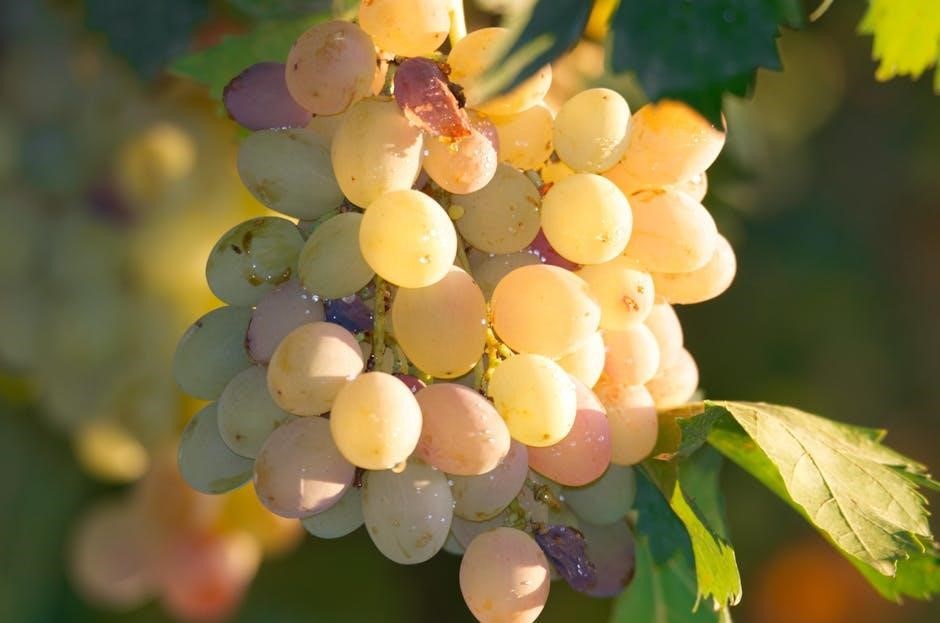
Wine‚ fundamentally‚ is an alcoholic beverage made from fermented grapes. Yeast consumes the sugars in the grapes‚ converting them into ethanol – the alcohol – and carbon dioxide. But it’s far more than just that! Centuries of tradition and science combine to create a beverage of incredible complexity.
Different grape varieties yield drastically different wines. The climate‚ soil‚ and winemaking techniques all play crucial roles. Wine isn’t just a drink; it’s a reflection of its origin.
For beginners‚ understanding that wine comes in various styles – red‚ white‚ rosé‚ and sparkling – is key. Each style offers a unique tasting experience‚ and finding what you enjoy is the most important step. Don’t be intimidated; exploration is encouraged!
Understanding Wine Grapes: The Foundation of Flavor
Wine’s flavor profile begins with the grape itself. Think of grapes like ingredients – each variety contributes unique characteristics. Hundreds of grape types exist‚ but a handful dominate wine production globally. Understanding these foundational grapes unlocks a deeper appreciation for wine’s diversity.
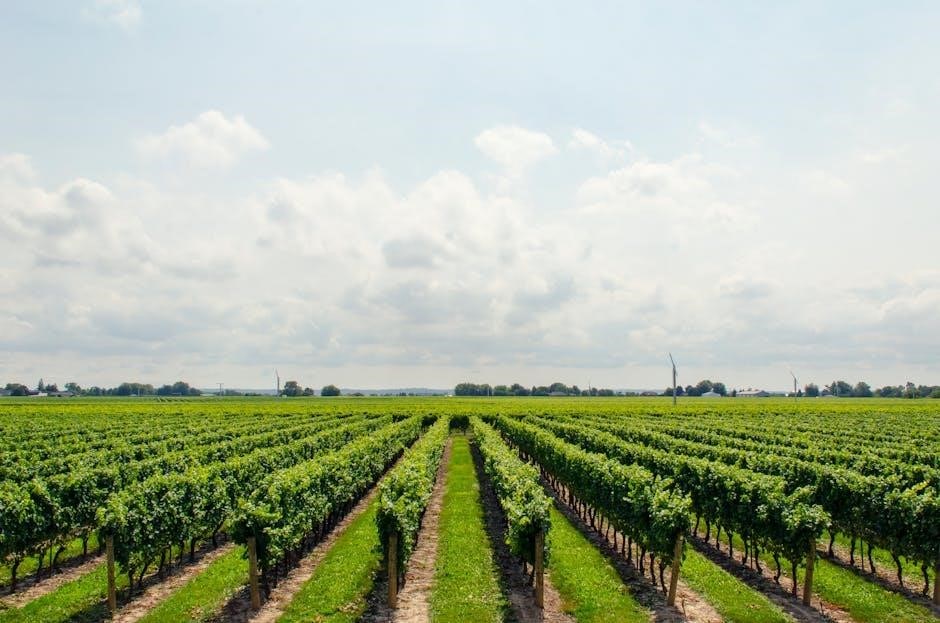
Factors like grape skin thickness‚ acidity levels‚ and sugar content significantly impact the final wine. Warmer climates generally produce grapes with higher sugar‚ resulting in bolder‚ fruit-forward wines. Cooler climates yield grapes with higher acidity‚ creating crisper‚ more refreshing wines.
Don’t worry about memorizing everything at once! Start with a few key varieties and build your knowledge gradually. Recognizing these grapes is the first step to decoding wine flavors.
Popular Red Wine Grapes
Pinot Noir is often recommended for beginners due to its lighter body and approachable flavors of cherry and raspberry. It’s famously grown in Burgundy‚ France‚ and Oregon. Merlot offers a plush‚ fruit-forward experience with notes of plum and chocolate – generally softer than Cabernet Sauvignon.
Cabernet Sauvignon‚ a bolder choice‚ delivers flavors of blackcurrant and cedar‚ often with noticeable tannins. Syrah/Shiraz (same grape‚ different names) presents peppery‚ smoky notes alongside dark fruit. Malbec‚ originating from France but thriving in Argentina‚ is known for its rich‚ jammy flavors.
Exploring these grapes provides a spectrum of red wine experiences. Don’t be afraid to sample and discover your preferences!
Popular White Wine Grapes
Chardonnay reigns supreme as a versatile starting point‚ offering flavors ranging from crisp green apple to buttery caramel depending on winemaking techniques. It’s widely grown globally‚ adapting beautifully to different climates. Sauvignon Blanc delivers a zesty punch with notes of grapefruit and herbaceousness‚ particularly renowned from the Loire Valley’s Sancerre region.
Pinot Grigio/Gris (again‚ different names) is light-bodied and refreshing‚ showcasing delicate citrus and floral aromas. Riesling presents a wide spectrum‚ from bone-dry to lusciously sweet‚ with flavors of apricot and petrol (a desirable characteristic!). Gewürztraminer offers an aromatic experience with lychee and rose petal notes.
These grapes provide a fantastic introduction to the diverse world of white wine!
Key Wine Regions Around the World
France boasts iconic regions like Bordeaux (renowned for Cabernet Sauvignon and Merlot blends)‚ Burgundy (Pinot Noir and Chardonnay’s homeland)‚ and the Loire Valley (Sauvignon Blanc‚ especially Sancerre). Italy offers Tuscany (Sangiovese-based wines like Chianti) and Piedmont (Barolo and Barbaresco‚ made from Nebbiolo).
California‚ in the USA‚ excels with Chardonnay‚ Cabernet Sauvignon‚ and Pinot Noir. Spain presents Rioja (Tempranillo) and Rías Baixas (Albariño). Australia’s Barossa Valley is famous for Shiraz. Argentina’s Mendoza region delivers Malbec.
Exploring these regions unveils diverse terroirs and winemaking styles‚ shaping unique wine characteristics. Each location offers a distinct taste of its environment!
Decoding Wine Labels: What Do All Those Words Mean?
Vintage indicates the year the grapes were harvested‚ impacting flavor due to weather conditions. Varietal names (like Chardonnay or Cabernet Sauvignon) tell you the grape type. Appellation signifies the geographic origin – crucial for understanding style. “Estate Bottled” means the wine was produced from grapes grown on the winery’s property.
Alcohol by Volume (ABV) is the percentage of alcohol. Terms like “Dry” indicate residual sugar levels; drier wines have less. “Reserve” or “Grand Cru” aren’t standardized – they signify a winery’s higher quality selection. Understanding these terms empowers informed choices!
Essential Wine Tasting Terms

Acidity refers to the wine’s crispness‚ like lemon juice – it balances sweetness and adds freshness. Tannins‚ found mainly in red wines‚ create a drying sensation‚ similar to strong tea; they contribute to structure and aging potential. Body describes the wine’s weight or fullness on the palate – light‚ medium‚ or full.
Other key terms include “bouquet” (aroma)‚ “finish” (lasting taste)‚ and “legs” (streaks on the glass indicating alcohol content). Don’t be intimidated! Tasting is subjective; focus on what you enjoy. These terms simply provide a common language for describing wine characteristics.
Acidity
Acidity is a fundamental element in wine‚ providing structure and vibrancy. Think of it as the wine’s “backbone.” It’s what makes wine refreshing and prevents it from tasting flabby or dull. High-acidity wines often taste crisp and tart‚ like a bite of green apple or lemon.
Acidity isn’t a flaw; it’s a desirable quality! It balances sweetness in sweeter wines and complements rich foods. Different grape varieties naturally possess varying levels of acidity. Cooler climates generally produce wines with higher acidity. Recognizing acidity will significantly enhance your wine appreciation.
Tannins

Tannins are naturally occurring compounds found in grape skins‚ seeds‚ and stems – and also in oak barrels used for aging. They create a drying‚ astringent sensation in your mouth‚ similar to the feeling you get from strong black tea or dark chocolate.
Tannins are most prominent in red wines‚ as red grapes have more skin contact during fermentation. They contribute to a wine’s structure‚ aging potential‚ and complexity. Wines with high tannins often benefit from aging‚ as the tannins soften over time. Don’t be intimidated by tannins; they add depth and character!
Body
Body refers to the perceived weight or fullness of a wine in your mouth. It’s often described using terms like light-bodied‚ medium-bodied‚ or full-bodied. This sensation is influenced by several factors‚ including alcohol content‚ glycerol‚ and tannins.
Think of it like milk: skim milk is light-bodied‚ whole milk is medium-bodied‚ and cream is full-bodied. Light-bodied wines feel delicate and refreshing‚ while full-bodied wines feel richer and more substantial. Body isn’t necessarily related to quality; it’s simply a characteristic of the wine’s structure and how it feels on your palate.

Beginner-Friendly Wine Varieties
Starting your wine journey? Certain varieties are known for being approachable and easy to enjoy. Chardonnay‚ a popular white‚ offers smooth textures and flavors of apple and pear‚ sometimes with buttery notes from oak aging. It’s incredibly versatile!
For red wine lovers‚ Pinot Noir is a fantastic choice. It’s light-bodied with balanced acidity‚ showcasing red fruit flavors like cherry and raspberry. Sauvignon Blanc provides a crisp‚ refreshing experience‚ often displaying citrus and herbaceous notes – Sancerre‚ from the Loire Valley‚ is a particularly smooth expression.
Chardonnay: A Versatile Starting Point
Chardonnay is a fantastic wine to begin with! This widely-loved white grape adapts beautifully to different climates and winemaking techniques‚ resulting in diverse styles. You’ll often find flavors of apple and pear‚ creating a smooth and approachable experience for new palates.
However‚ Chardonnay’s versatility doesn’t stop there. Oak aging introduces delightful buttery‚ butterscotch‚ and caramel notes‚ adding complexity. From crisp‚ unoaked versions to rich‚ creamy styles‚ Chardonnay offers a spectrum of flavors. Its adaptability makes it a perfect wine to explore and understand your preferences!
Pinot Noir: Light-Bodied and Approachable
Pinot Noir is often recommended as an excellent starting point for red wine exploration. Known for its lighter body and softer tannins‚ it’s far less intimidating than bolder reds. Expect delicate flavors of red cherry‚ raspberry‚ and sometimes even earthy undertones‚ creating a balanced and pleasant experience.
This grape is notoriously finicky to grow‚ but the resulting wines are incredibly rewarding. Pinot Noir’s smooth texture and balanced acidity make it incredibly food-friendly‚ pairing well with a variety of dishes. It’s a gentle introduction to the world of red wine‚ perfect for developing your palate!
Sauvignon Blanc: Crisp and Refreshing
Sauvignon Blanc is a fantastic choice for those new to white wines‚ offering a vibrant and zesty experience. This grape delivers high acidity and a range of aromatic flavors‚ often including grapefruit‚ passionfruit‚ and herbaceous notes like grass or bell pepper. Sancerre‚ from the Loire Valley in France‚ is a particularly smooth and approachable expression of Sauvignon Blanc.
Its crispness makes it incredibly refreshing‚ especially when well-chilled. Don’t be surprised by its sometimes “pungent” aroma – it’s part of its charm! Sauvignon Blanc pairs beautifully with salads‚ seafood‚ and goat cheese‚ making it a versatile option for various meals.
Serving Wine: Temperature and Glassware
Proper serving temperature dramatically impacts a wine’s flavor profile; Generally‚ white wines are best served chilled – between 45-55°F (7-13°C) – to highlight their crispness. Red wines‚ however‚ benefit from being served at slightly cooler room temperature‚ around 60-65°F (15-18°C)‚ allowing their aromas to fully develop.
Glassware also plays a role! While not essential for beginners‚ using the correct glass enhances the experience; White wine glasses typically have a smaller bowl to maintain coolness‚ while red wine glasses feature a larger bowl to allow for aeration. Don’t stress too much initially; a clean glass is the most important factor!
Wine and Food Pairing Basics
Pairing wine with food elevates both experiences! A fundamental rule is to match the wine’s body with the dish’s weight. Light-bodied wines‚ like Pinot Noir or Sauvignon Blanc‚ pair well with lighter fare – salads‚ fish‚ or chicken. Fuller-bodied wines‚ such as Chardonnay or Cabernet Sauvignon‚ complement richer dishes like steak or pasta with red sauce.
Consider acidity and tannins too. Acidic wines cut through fatty foods‚ while tannins soften protein-rich meals. Don’t be afraid to experiment! These are guidelines‚ not strict rules. Ultimately‚ the best pairing is the one you enjoy most.
Red Wine Pairings

Red wines generally pair beautifully with richer‚ heavier foods. Think grilled or roasted meats – steak‚ lamb‚ and duck are classic matches. The tannins in red wine help cut through the fat‚ creating a balanced flavor profile. Earthy reds like Pinot Noir complement mushroom-based dishes and roasted vegetables wonderfully.
For pasta‚ consider the sauce. Lighter tomato-based sauces work well with lighter-bodied reds‚ while heartier meat sauces call for bolder wines like Cabernet Sauvignon or Merlot. Don’t shy away from pairing red wine with cheese – aged cheddar and Gouda are excellent choices!
White Wine Pairings
White wines shine with lighter fare‚ particularly seafood and poultry. Crisp Sauvignon Blanc is a fantastic match for shellfish‚ salads‚ and goat cheese. Chardonnay‚ especially unoaked versions‚ pairs well with chicken‚ creamy pasta dishes‚ and lighter fish like cod. Riesling’s acidity cuts through spicy Asian cuisine beautifully;
Consider the sauce when pairing with fish or chicken. A lemon-butter sauce calls for a bright‚ acidic white‚ while a cream sauce benefits from a richer‚ more full-bodied Chardonnay. White wines also excel with soft cheeses like brie and camembert – a delightful combination!
Storing Wine: Keeping it Fresh
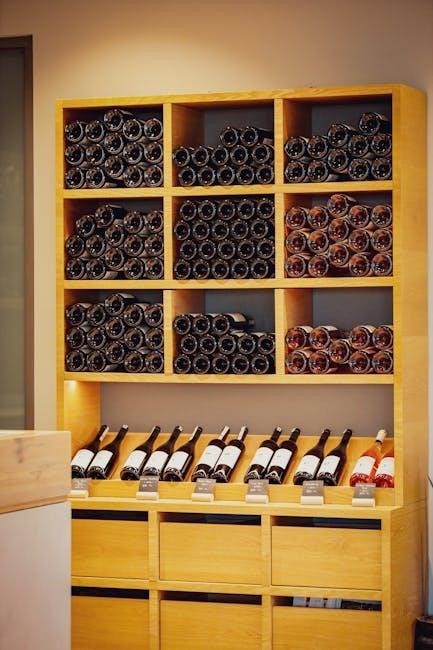
Proper storage preserves wine’s quality. The key enemies are light‚ heat‚ and vibration. Store bottles horizontally‚ keeping the cork moist to prevent drying and oxidation. A cool‚ dark place – around 55-65°F (13-18°C) – is ideal. A wine fridge is a great investment‚ but a cool‚ dark closet can work for short-term storage.
Avoid storing wine in the kitchen due to temperature fluctuations. Long-term storage requires more consistent conditions. Don’t forget that once opened‚ most wines should be consumed within a few days‚ resealed with a wine stopper to minimize oxidation.
Wine Tasting Etiquette: A Quick Guide
Relax and enjoy the experience! Wine tasting isn’t about being an expert; it’s about discovering what you like. When offered a taste‚ hold the glass by the stem to avoid warming the wine. Swirl gently to release aromas‚ then sniff before sipping.
Don’t be afraid to ask questions. It’s perfectly acceptable to politely decline a pour if you’ve had enough. Discussing flavors is encouraged‚ but avoid overly technical jargon. Remember‚ tasting is subjective – there are no right or wrong answers! Appreciate the wine‚ and have fun exploring.
Resources for Further Wine Education
Want to dive deeper? Several excellent resources can expand your wine knowledge. The Wine & Spirits Education Trust (WSET) offers structured courses from beginner to expert levels‚ providing a globally recognized qualification.
For focused regional expertise‚ explore the Wine Scholar Guild‚ specializing in in-depth studies of French‚ Italian‚ and Spanish wines. Online platforms and books also abound – consider exploring reputable wine blogs and publications. Formal courses or self-study‚ continuous learning enhances appreciation!
Wine & Spirits Education Trust (WSET)
The WSET is a globally recognized leader in wine education‚ offering a progressive system of qualifications. Starting with Level 1‚ you’ll gain basic product knowledge and tasting skills. Level 2 builds upon this‚ exploring major grape varieties and regions in more detail.
Further levels – Level 3 and the prestigious Diploma – delve into advanced tasting‚ winemaking‚ and the business of wine. WSET courses are available through approved program providers worldwide‚ offering structured learning and a respected credential for enthusiasts and professionals alike. It’s a fantastic path for serious exploration!
Wine Scholar Guild
The Wine Scholar Guild provides specialized and in-depth wine education focused on specific regions. Unlike broader programs‚ they offer certifications concentrating on France (French Wine Scholar)‚ Italy (Italian Wine Scholar)‚ and Spain (Spanish Wine Scholar).
These programs are ideal for those wanting a truly comprehensive understanding of a particular wine country’s terroir‚ grape varieties‚ and winemaking traditions. Wine Scholar Guild certifications are highly regarded within the industry and demonstrate a commitment to regional expertise. They offer a focused alternative to the more generalized WSET qualifications‚ perfect for dedicated wine lovers.
Common Wine Faults and What They Mean
Even experienced wine drinkers encounter flawed bottles. “Cork taint” (TCA) is common‚ causing a musty‚ wet cardboard aroma – a result of a chemical compound in the cork. Oxidation occurs when wine is exposed to too much air‚ leading to a brownish hue and a flat‚ sherry-like taste.
“Volatile Acidity” (VA) presents a vinegary smell‚ indicating bacterial spoilage. Reduction can create unpleasant smells like rotten eggs or garlic. Recognizing these faults isn’t about being critical‚ but understanding that sometimes‚ despite best efforts‚ a wine simply isn’t right. Don’t hesitate to return a faulty bottle!
Budget-Friendly Wine Options
Excellent wine doesn’t require a hefty price tag! Explore wines from lesser-known regions – Portugal’s Vinho Verde‚ Spanish Rioja‚ or Chilean Central Valley offer fantastic value. Look for grapes like Sauvignon Blanc‚ Pinot Grigio‚ or Beaujolais‚ often available at affordable prices.
Don’t dismiss boxed wine; quality has significantly improved‚ and it stays fresh longer. Supermarkets often have their own-label wines that provide surprising quality for the cost. Remember‚ enjoyment is key – a $15 bottle enjoyed with friends is far better than a $50 bottle drunk alone!
Where to Buy Wine: Retailers and Online Options
Finding wine is easier than ever! Large supermarkets offer a convenient starting point with a broad selection and competitive prices. Local wine shops provide expert advice and curated selections‚ often hosting tastings. For wider variety‚ explore online retailers – many ship directly to your door.
Consider wine clubs for curated deliveries and discovery. Websites like Vivino offer ratings and price comparisons. Remember to check local laws regarding alcohol shipping. Don’t be afraid to ask for recommendations – both in-store and online – to expand your palate!
Expanding Your Palate: Moving Beyond the Basics
Ready for a challenge? Once comfortable with Pinot Noir and Chardonnay‚ venture into lesser-known varietals! Explore regions beyond France and California – Italy‚ Spain‚ and Argentina offer incredible value and unique flavors. Attend wine tastings to sample diverse styles and learn from experts.
Don’t shy away from unfamiliar labels. Formal wine courses‚ like those offered by WSET or Wine Scholar Guild‚ provide structured education. Keep a wine journal to track your preferences and discoveries. Most importantly‚ trust your own taste – enjoyment is key!