
star trek voyager episode guide
Star Trek: Voyager Episode Guide ‒ Comprehensive Overview (Updated 12/19/2025)
This comprehensive guide details every Star Trek: Voyager episode, updated as of today, December 19th, 2025.
It incorporates episode rankings, notable two-parters like “Caretaker” and “Scorpion”, and resources for fans.
Star Trek: Voyager, premiering in 1995, boldly ventured where no Star Trek series had gone before – the distant Delta Quadrant. This series distinguishes itself through its core premise: the starship Voyager, commanded by Captain Kathryn Janeway, is stranded 70,000 light-years from Earth.
The journey home, estimated to take 75 years, forces the crew to forge alliances with unfamiliar species, confront the Borg, and navigate complex moral dilemmas. Voyager offers a unique blend of exploration, character development, and serialized storytelling, captivating audiences with its compelling narrative and enduring legacy.
The Premise: Stranded in the Delta Quadrant
The central conflict of Star Trek: Voyager arises from a catastrophic event. While pursuing a Maquis ship, Voyager is pulled to the Delta Quadrant by the Caretaker’s array. This array, designed to protect the Ocampa, inadvertently strands the vessel far from Federation space.
Facing a 75-year journey home, Captain Janeway makes the difficult decision to accept aid from unlikely allies, including the former Maquis crew. Survival hinges on adapting to the Delta Quadrant’s dangers and discovering a shortcut back to Earth, a quest defining the series.
Key Characters and Crew

Voyager’s diverse crew is central to its narrative. Captain Kathryn Janeway leads with unwavering resolve. Commander Chakotay, a former Maquis leader, provides a unique perspective. Lieutenant Tuvok, the Vulcan security officer, offers logical counsel.
Essential personnel include Tom Paris and Neelix, offering vital skills and local knowledge. Kes, an Ocampa, and The Doctor, an Emergency Medical Hologram, evolve significantly throughout the series, enriching the dynamic aboard the starship.
Captain Kathryn Janeway
Kathryn Janeway, portrayed with strength and nuance, embodies Starfleet’s principles while facing impossible choices. As Voyager’s captain, she prioritizes her crew’s safety and the Prime Directive, navigating complex moral dilemmas in the Delta Quadrant.
Her leadership is tested by prolonged isolation and encounters with unfamiliar species. Janeway’s determination to return Voyager home drives the series, showcasing her resilience and strategic brilliance. She is a pivotal figure in Star Trek history.
Commander Chakotay
Commander Chakotay, formerly a Maquis leader, brings a unique perspective to Voyager. His experience with guerilla tactics and independent thinking proves invaluable as the ship navigates the Delta Quadrant. Initially skeptical of Starfleet, he forms a strong partnership with Captain Janeway.
Chakotay’s spiritual side and connection to his Native American heritage add depth to his character. He serves as a vital bridge between the former Starfleet and Maquis crews, fostering unity amidst adversity and contributing to Voyager’s survival.
Lieutenant Tuvok
Lieutenant Tuvok, a Vulcan security officer, embodies logic and discipline aboard Voyager. His unwavering adherence to Vulcan principles provides a stabilizing force amidst the chaos of being stranded in the Delta Quadrant. Tuvok’s analytical skills are crucial for assessing threats and formulating strategies.
Despite his stoic exterior, Tuvok develops meaningful relationships with his crewmates, particularly Neelix, offering a fascinating contrast in personalities. He consistently provides Captain Janeway with objective counsel, proving a steadfast and reliable officer.
Season 1: Establishing the Journey
Season 1 of Voyager immediately plunges viewers into the desperate situation following the “Caretaker” incident, stranding the ship seventy thousand light-years from home. Early episodes like “Parallax” and “Time and Again” begin exploring the challenges of this new reality.
Crucially, this season introduces key characters, including the resourceful Neelix and the developing abilities of Kes. The crew grapples with establishing a functioning society aboard ship while simultaneously navigating unfamiliar and often hostile territories within the Delta Quadrant.
Episode 1 & 2: “Caretaker” ⎻ The Pilot and Initial Stranding
“Caretaker” serves as the compelling two-part pilot, immediately establishing the core premise of Voyager. The USS Voyager, pursuing a Maquis ship, is drawn into the Badlands and subsequently stranded in the Delta Quadrant by the powerful Caretaker.
This initial crisis forces Captain Janeway to forge an uneasy alliance with the former Maquis crew, uniting for survival; The episodes showcase the vast distance from Federation space and the daunting task of finding a way home, setting the stage for the entire series.
Early Season Highlights: “Parallax” & “Time and Again”
Early episodes like “Parallax” and “Time and Again” quickly demonstrate Voyager’s willingness to explore complex narratives. “Parallax” introduces a unique neurological phenomenon affecting the crew, while “Time and Again” presents a compelling time travel scenario.
These installments aren’t just standalone adventures; they begin to define character dynamics and the challenges of long-term isolation. Both episodes are frequently cited as standout moments from Season 1, showcasing the show’s potential and attracting a dedicated fanbase.
Season 1 crucially introduces Kes, portrayed by Jennifer Lien, and Neelix, played by Ethan Phillips. These characters become integral to Voyager’s journey, offering unique perspectives and essential support to the crew stranded in the Delta Quadrant.
Neelix, a Talaxian scavenger, provides invaluable knowledge of the region, while Kes, an Ocampa with limited lifespan, possesses nascent psychic abilities. Their arrival adds emotional depth and narrative possibilities, shaping the series’ ongoing exploration of survival and adaptation.
Season 2: Adapting to the Delta Quadrant
Season 2 sees Voyager increasingly adapting to the challenges of the Delta Quadrant, encountering new species and navigating complex moral dilemmas. “Persistence of Vision” stands out as a fan favorite, showcasing the crew’s ingenuity and resilience.
Episodes delve deeper into the region’s unique cultures and dangers, forcing Captain Janeway and her crew to forge alliances and make difficult choices. This season establishes the long-term struggle for survival and the ongoing quest for a path home.
“Persistence of Vision” ⎻ A Fan Favorite
“Persistence of Vision” (Season 2) is widely considered a standout episode, celebrated for its innovative premise and compelling narrative. The episode centers around the crew experiencing a mysterious neurological illness causing vivid, shared hallucinations.
This psychological thriller explores themes of reality, perception, and the power of the mind, offering a unique departure from typical Voyager adventures. Its clever storytelling and strong character moments have cemented its place as a fan favorite and a highlight of the series.
Exploring New Species and Challenges
Season 2 of Voyager truly immersed the crew in the Delta Quadrant, introducing a plethora of new alien species and complex challenges. Encounters with the Vidiians, a species ravaged by a deadly disease requiring organ harvesting, presented harrowing moral dilemmas.
The Kazon, a hostile and fragmented people, became recurring antagonists, constantly threatening Voyager’s progress. These interactions forced Janeway and her crew to adapt, negotiate, and often fight for survival in this uncharted territory, enriching the show’s lore.
Season 3: Facing Internal and External Conflicts
Season 3 of Voyager ratcheted up the tension with both external threats and internal crew conflicts. The two-part episode “Future’s End” showcased a complex time travel scenario, forcing the crew to grapple with altering the timeline.
Simultaneously, the character of The Doctor underwent significant development, evolving from an Emergency Medical Hologram into a fully realized individual with rights and aspirations. These interwoven storylines highlighted Voyager’s resilience and the crew’s evolving dynamics amidst the ongoing journey home.
“Future’s End” (Parts 1 & 2) ⎻ Time Travel Complications
“Future’s End” is a standout two-part episode, plunging Voyager into a complex time travel narrative. The crew inadvertently sends Lieutenant Paris and Torres back to 20th-century Earth, creating a paradox with potentially devastating consequences.
The episode explores the ethical dilemmas of altering the past and the challenges of maintaining the timeline’s integrity. It’s a thrilling adventure filled with suspense, showcasing the crew’s ingenuity and resourcefulness while facing unforeseen complications and a race against time.
The Doctor’s Development as a Character
The Emergency Medical Hologram (EMH), initially a purely functional program, undergoes remarkable character development throughout Voyager. Robert Picardo’s portrayal elevates the Doctor from a medical tool to a fully realized individual with aspirations, flaws, and a growing sense of self.
Episodes consistently explore his quest for recognition, rights, and purpose, challenging perceptions of artificial life. His evolution is a central narrative thread, demonstrating growth, compassion, and ultimately, becoming an integral member of the Voyager crew.
Season 4: The Borg Threat Intensifies
Season Four marks a turning point as the Borg become a significantly more pressing danger for Voyager. The two-part episode “Scorpion” forces Captain Janeway into a desperate and controversial alliance with the Borg, seeking information to combat a greater threat.
This season also features the intense two-part story “Year of Hell,” subjecting the crew to prolonged and relentless Borg attacks, testing their resilience and strategic capabilities. The Borg Collective’s presence looms large, shaping the season’s narrative.
“Scorpion” (Parts 1 & 2) ⎻ A Desperate Alliance
“Scorpion” is a pivotal two-part episode where Captain Janeway makes the incredibly difficult decision to ally with the Borg. Facing a new, more dangerous species – the Species 8472 – Voyager requires intelligence only the Borg possess.
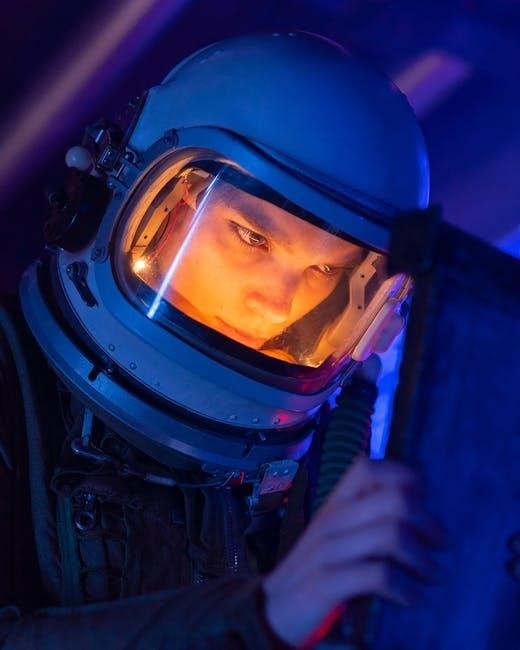
This alliance involves a harrowing journey inside a Borg cube and a direct negotiation with the Borg Queen. It’s a morally complex situation, forcing Janeway to compromise her principles for the survival of her crew and potentially, the Federation.

“Year of Hell” (Parts 1 & 2) ⎻ Prolonged Borg Encounters
“Year of Hell” presents a relentless and harrowing ordeal for Voyager, relentlessly pursued and repeatedly attacked by a single Borg cube. Unlike a quick confrontation, this two-parter showcases a prolonged campaign of harassment and adaptation by the Borg, pushing the crew to their absolute limits.
Janeway’s strategic attempts to outwit the cube, coupled with the crew’s desperate engineering solutions, highlight their resilience. The episode explores the psychological toll of constant threat and the difficult choices made under immense pressure.
Season 5: Navigating Complex Moral Dilemmas
Season Five of Voyager delves into ethically challenging scenarios, forcing the crew to confront difficult choices with lasting consequences. Episodes frequently explore the gray areas of the Prime Directive and the complexities of first contact.
Character growth is prominent as Janeway and her crew grapple with moral ambiguities, often lacking clear-cut solutions. This season showcases the crew’s internal conflicts and the strain of prolonged isolation, testing their principles and relationships.
“Dark Frontier” (Parts 1 & 2) ‒ Confrontation with the Borg Queen
“Dark Frontier” marks a pivotal moment in Voyager’s journey, featuring a direct and intense confrontation with the Borg Queen herself. Janeway’s past connection to the Borg is exploited, leading to a desperate attempt to protect Voyager and its crew from assimilation.
This two-part episode is lauded for its suspenseful narrative and the chilling portrayal of the Borg Queen, solidifying the Borg as a formidable and terrifying adversary. It significantly escalates the Borg threat throughout the series.

Character Growth and Relationships
Throughout Voyager’s seven seasons, the crew undergoes significant personal evolution, forged by the hardships of their extended journey. Relationships deepen, shifting from professional necessity to genuine camaraderie and, in some cases, romance.
Kes’s development and eventual departure, Tom Paris’s redemption arc, and the evolving dynamic between Janeway and Chakotay are central to this growth. The Doctor’s journey to self-awareness also provides compelling character development, enriching the series’ emotional core.
Season 6: The Search for a Shorter Route Home

Season Six intensifies the crew’s desperate quest to reduce their 70,000 light-year journey. The two-part episode “Equinox” presents a morally complex scenario, exploring the ethical boundaries of survival and the lengths to which individuals will go for expediency.
Voyager encounters alternate realities, further complicating their path. This season emphasizes strategic maneuvering and risky gambits, as Captain Janeway and her crew relentlessly pursue any opportunity to shorten their voyage back to Federation space.
“Equinox” (Parts 1 & 2) ⎻ Ethical Boundaries and Survival
“Equinox” is a pivotal two-parter that forces Voyager’s crew to confront difficult ethical dilemmas. The discovery of another Starfleet vessel, the Equinox, reveals a captain willing to compromise Starfleet principles for a faster route home.
This episode explores the consequences of sacrificing morality for expediency, questioning the very core of Starfleet’s values. The crew grapples with the implications of altering ship’s warp threshold, highlighting the desperate measures taken in the pursuit of survival and return.
Exploring Alternate Realities
Voyager frequently delved into alternate realities, presenting compelling “what if” scenarios. Episodes like “Year of Hell” showcased prolonged Borg encounters, altering the crew’s trajectory and testing their resilience. The series also explored timelines where choices led to drastically different outcomes.
These narratives often served as character studies, revealing hidden strengths and weaknesses under extreme pressure. Examining these divergent paths enriched the show’s thematic depth, prompting reflection on fate, free will, and the impact of individual decisions.
Season 7: The Final Journey and Homecoming
Season 7 marks Voyager’s desperate push for a return to Federation space, culminating in the series finale, “Endgame.” The crew utilizes future technology, acquired through a temporal anomaly, to shorten their journey. Key episodes, like “Unimatrix Zero” (Parts 1 & 2), unravel the Borg Collective’s deceptive illusions.
This season focuses on resolving long-standing character arcs and solidifying relationships forged over seven years. The stakes are higher than ever as Voyager faces its ultimate challenge: finally reaching home.
“Unimatrix Zero” (Parts 1 & 2) ‒ The Borg Collective’s Illusion
This pivotal two-part episode delves into the heart of the Borg Collective, revealing “Unimatrix Zero,” a highly sophisticated neurogenic program. It’s a virtual reality designed to keep drones content and compliant, masking the true nature of their existence. Seven of Nine plays a crucial role, confronting her past and aiding Voyager in exposing this deception.
“Unimatrix Zero” explores themes of free will, identity, and the ethical implications of artificial consciousness, offering a profound look into the Borg’s complex society.

“Endgame” ‒ The Series Finale and Return to Federation Space
The thrilling series finale features a daring and complex plan orchestrated by Admiral Janeway from the future. Utilizing a temporal beacon, she provides Voyager with advanced technology to combat a Borg sphere, ultimately enabling the ship to reach Federation space seven years earlier than anticipated.
“Endgame” delivers a satisfying conclusion to the seven-year journey, showcasing the crew’s resilience and Janeway’s unwavering determination. It’s a poignant and action-packed resolution.
Notable Two-Part Episodes
Voyager frequently employed two-part episodes to explore complex narratives and character arcs. Standouts include “Caretaker,” the compelling pilot introducing the premise, and “Future’s End,” a captivating time travel adventure. “Scorpion” dramatically shifts the series with a desperate alliance against the Borg, while “Year of Hell” presents a prolonged, harrowing Borg encounter.
Other significant installments are “Dark Frontier” and “Equinox,” each offering unique challenges and moral dilemmas. These extended stories are crucial to the series’ overall arc.
Recurring Species and Factions

Voyager’s journey through the Delta Quadrant introduced numerous recurring species. The Borg Collective consistently posed a significant threat, driving major plotlines. The Kazon, a chaotic and opportunistic species, frequently harassed Voyager, representing a constant nuisance. The Vidiians, afflicted by the Phage, presented complex ethical challenges as they sought cures through desperate means.
These factions, alongside others, shaped Voyager’s experiences and highlighted the diverse, often hostile, nature of the Delta Quadrant.
The Borg Collective
The Borg represent Voyager’s most formidable and persistent adversaries. Their relentless pursuit of perfection through assimilation drove several pivotal storylines, including “Scorpion” and “Dark Frontier”. Encounters with the Borg Collective forced Captain Janeway into difficult alliances and showcased the crew’s resilience.
Episodes explored the Borg’s hive mind, individual drones, and the chilling implications of losing individuality. The series delved into the Borg Queen’s influence and the potential for resistance within the Collective.
The Kazon
The Kazon, a splintered and aggressive species, frequently harassed Voyager during its journey through the Delta Quadrant. Lacking advanced technology, they relied on scavenging and raiding, posing a constant, if often manageable, threat to the starship. Their internal conflicts and tribal structure added complexity.
Voyager’s interactions with the Kazon highlighted the challenges of first contact and the dangers of cultural misunderstanding. Episodes often depicted desperate Kazon attempts to acquire Voyager’s technology, leading to tense confrontations.
The Vidiians
The Vidiians presented a uniquely disturbing threat to Voyager – a species ravaged by the Phage, a disease requiring organ transplants for survival. This led them to brutally harvest organs from other species, making them ruthless adversaries. Their desperation fueled their actions, creating complex moral dilemmas for Janeway and her crew.
Encounters with the Vidiians explored themes of bodily autonomy and the lengths to which a species will go to survive. Voyager often sought peaceful resolutions, but the Vidiians’ desperation made compromise difficult.
Critical Reception and Legacy
Star Trek: Voyager initially faced mixed reviews, often criticized for its slow start and reliance on familiar Star Trek tropes. However, the series gained momentum, particularly lauded for its character development and exploration of complex ethical issues within the Delta Quadrant.
Its legacy lies in its focus on long-term survival and the crew’s evolving relationships. Voyager broadened Star Trek lore, introducing unique species and challenging Federation ideals. Today, it maintains a dedicated fanbase and continues to be re-evaluated positively.
Where to Watch Star Trek: Voyager
Fans can currently stream Star Trek: Voyager on Paramount+, offering all seven seasons and numerous episodes. It’s also available for purchase on digital platforms like Apple TV, Google Play, and Amazon Prime Video, allowing for offline viewing.
Previously, the series was accessible through Netflix and other streaming services, but availability fluctuates. Checking current listings on JustWatch is recommended to find the most up-to-date options for watching this iconic Star Trek journey.
Fan Communities and Resources
Dedicated fans thrive in online communities like Reddit’s r/Voyager, offering discussions, theories, and episode analyses. Memory Alpha serves as a comprehensive Star Trek wiki, detailing every aspect of the series. OpticalData provides an in-depth episode guide with detailed information.
Additionally, numerous podcasts, such as those by Jean MacDonald, delve into Voyager lore. These resources offer a wealth of information and a vibrant space for connecting with fellow enthusiasts.
Episode Ranking and “Must-See” Episodes
Determining the “best” Voyager episodes is subjective, but IMDB user ratings offer a valuable metric. Top-rated episodes, chronologically ordered, include “Caretaker,” the compelling pilot, and “Persistence of Vision,” a fan favorite. “Scorpion” and “Year of Hell” are also frequently cited as essential viewing.
Lists compiled by Colin McKellar and Troy Press highlight consistently praised episodes, providing a solid starting point for newcomers and seasoned fans alike.
Crossovers and Connections to Other Star Trek Series
Despite being stranded in the Delta Quadrant, Voyager wasn’t entirely isolated from the wider Star Trek universe. Several actors from Deep Space Nine made appearances, demonstrating a subtle interconnectedness. These connections, though infrequent, enrich the overall Star Trek narrative.
While direct crossovers were limited by the vast distance, Voyager consistently referenced Federation history and technology established in The Next Generation and Original Series, maintaining continuity.
Behind-the-Scenes Trivia and Production Details
Production of Star Trek: Voyager involved extensive set design to convey the ship’s isolation and the unfamiliar Delta Quadrant. The series utilized practical effects alongside burgeoning CGI technology. Jennifer Lien’s portrayal of Kes spanned several seasons, while Robert Duncan McNeill and Ethan Phillips became series staples.
Episode databases, like OpticalData, offer detailed background information, including plot summaries, trivia, and cast details, providing a deeper understanding of each episode’s creation.
The Impact of Voyager on the Star Trek Universe
Voyager uniquely explored long-term isolation and the challenges of establishing contact with entirely new civilizations. The series expanded Star Trek lore by delving into the Delta Quadrant, introducing species like the Kazon and Vidiians, and significantly developing the Borg storyline.
Crossovers with Deep Space Nine, despite the vast distance, demonstrated the interconnectedness of the Star Trek universe, enriching the overall narrative and leaving a lasting legacy.
Jennifer Lien (Kes) and Other Key Cast Members
The success of Voyager hinged on its ensemble cast. Jennifer Lien’s portrayal of Kes, a developing Ocampa, was central to early seasons, alongside Robert Duncan McNeill as Tom Paris and Ethan Phillips as Neelix.
Robert Picardo’s nuanced performance as the Emergency Medical Hologram, The Doctor, became a fan favorite, showcasing remarkable character growth. Tim Russ as Tuvok provided a steadfast Vulcan presence, anchoring the crew’s journey.
Voyager’s Unique Contributions to Star Trek Lore
Voyager distinguished itself by focusing on prolonged isolation and the challenges of long-term space travel. The series deeply explored themes of adaptation, survival, and the ethical dilemmas faced far from Federation support.
Its depiction of the Delta Quadrant introduced unique species like the Kazon and Vidiians, expanding the Star Trek universe. The development of the Doctor as a fully realized character also broke new ground, challenging perceptions of artificial life.
OpticalData Guide and Episode Databases
Numerous online resources meticulously catalog Star Trek: Voyager episodes. The OpticalData guide stands out, providing detailed background information, plot summaries, trivia, and insightful episode analysis for dedicated fans.
These databases, alongside IMDB and other fan-maintained sites, offer comprehensive episode listings, user ratings, and discussion forums. They are invaluable tools for navigating the series’ 172 episodes and enhancing the viewing experience, ensuring no detail is missed.